
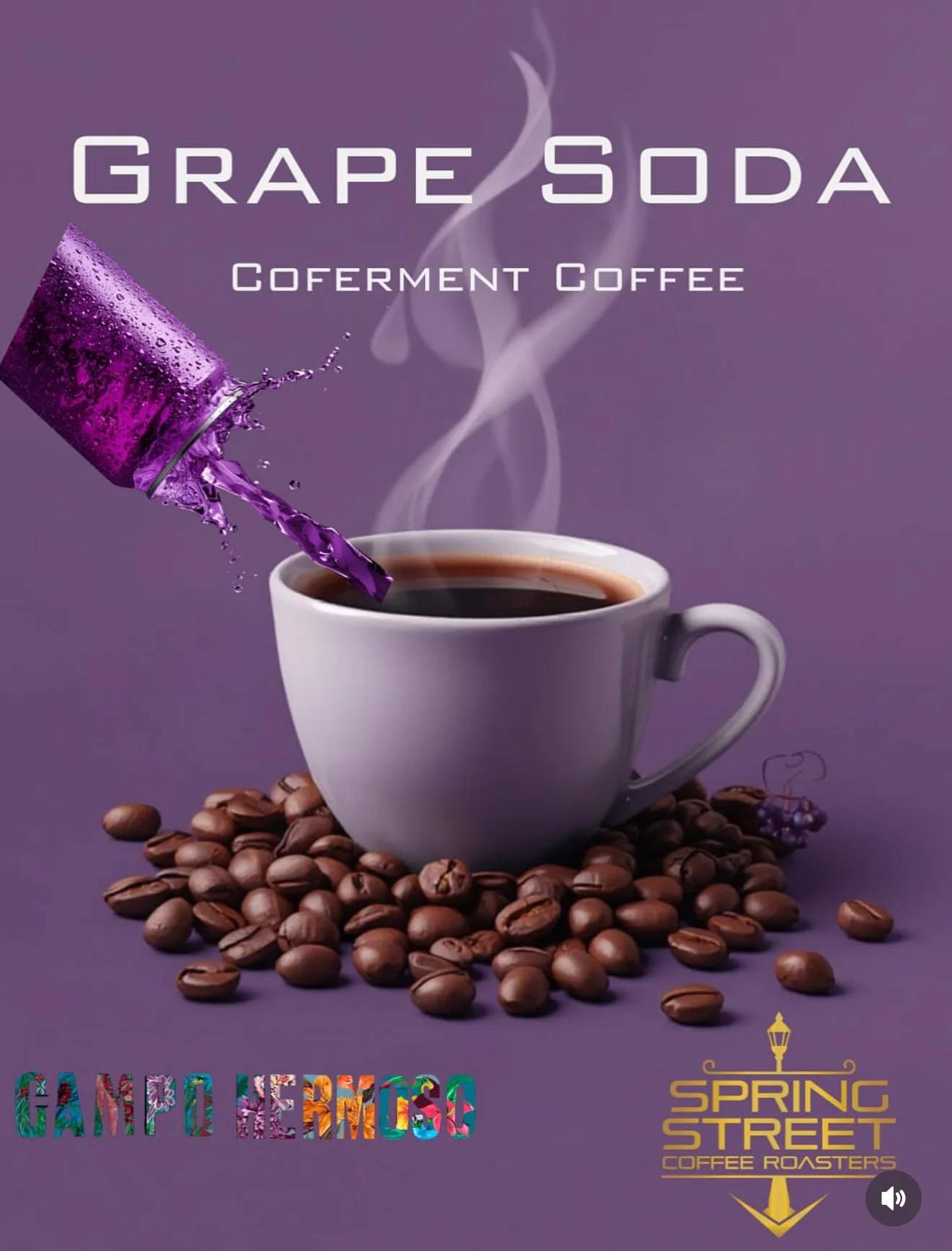
Grape Soda (Campo Hermoso)
What it is
Grape Soda is an experimental, highly acclaimed coffee from Finca Campo Hermoso (Quindío, Colombia), produced by Edwin Noreña.
It’s famous for a “Grape Soda Bomb” sensory profile — intense red grape and candy-like fruit flavors — achieved through careful, winemaker-style processing rather than any artificial flavoring.
Key characteristics
Flavor profile: Intense aroma of red grapes and caramel; tasting notes include grape lemonade or “Grape Hubba Bubba” bubblegum, plus elderflower, propolis, and a juicy citrus acidity.
Variety: Often Caturra or Castillo.
Processing: Carbonic Maceration (CM) combined with Black Honey drying — cherries ferment in a low-oxygen, CO2-rich environment to build complex fruity esters.
Co-fermentation: During CM, grape mosso (must) or other fruit extracts are sometimes introduced so grape compounds become integrated into the bean, deepening the grape-forward character.
Producer: Edwin Noreña — fourth-generation grower, Q-Grader, Cup of Excellence judge, and a pioneer of “high-intervention” processes that borrow from winemaking.
Why it stands out
The grape-like intensity comes from biochemical fermentation and co-fermentation techniques, not added flavoring.
High-intervention methods create layered aromatics and a candy-fruit profile that’s rare and polarizing — delightful to some, intense to others.
Brewing recommendations
Method: Pour-over (V60 or similar) to highlight sweetness and clarity.
Dose & grind: Use a slightly coarser grind than typical for pour-over to counter faster extraction tendencies; start with 16–18 g/L and adjust to taste.
Water temperature: 92–96 °C (198–205 °F).
Brew pace: These beans can extract quickly due to heavy processing—watch for over-extraction and pull shorter if bitterness develops.
Tasting tip: Cool a bit before evaluating — the full grape and floral notes often bloom as the cup cools.
Serving ideas
Enjoy black to appreciate the pure processed profile.
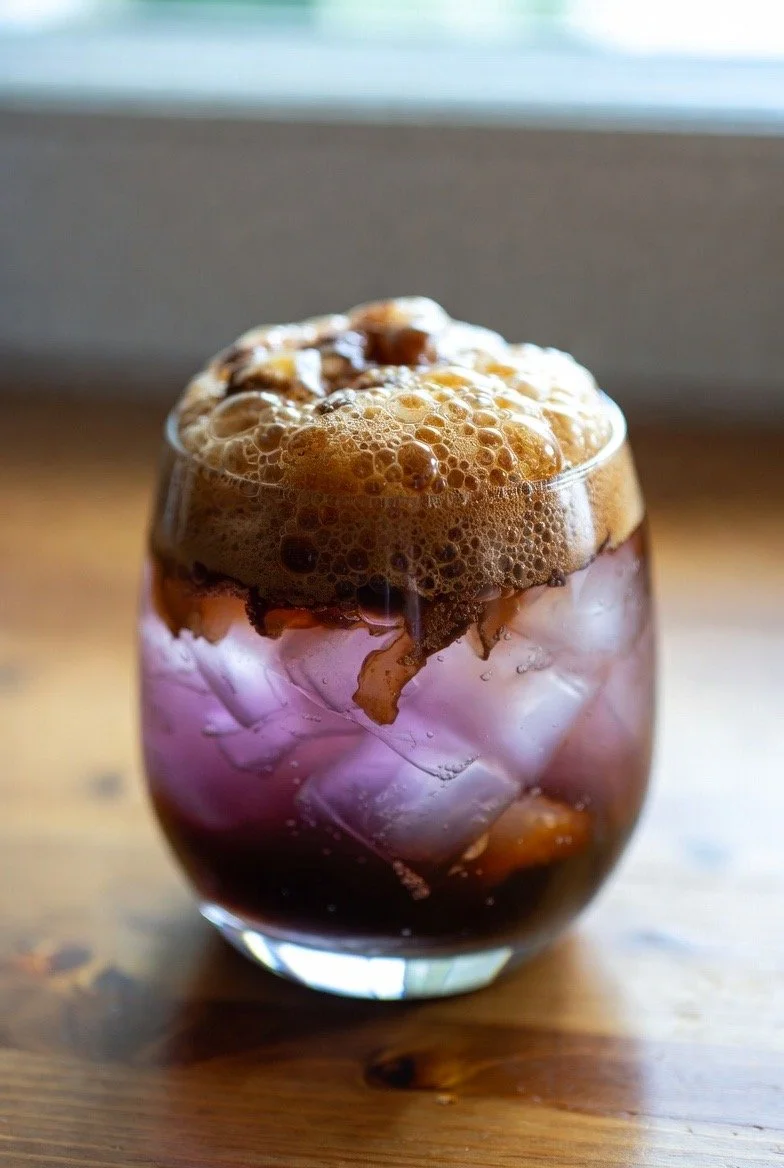
Try with a splash of chilled sparkling water for a playful, soda-like experience.
Great in milk drinks when you want a dessert-like, nostalgic candy fruit lift.
Short note on provenance & ethics
Campo Hermoso’s reputation comes from meticulous farm practices and transparency. When sourcing experimental lots like this, seek roasters who verify farm-level traceability and pay appropriate premiums for innovation.
Grape Soda (Campo Hermoso)
What it is
Grape Soda is an experimental, highly acclaimed coffee from Finca Campo Hermoso (Quindío, Colombia), produced by Edwin Noreña.
It’s famous for a “Grape Soda Bomb” sensory profile — intense red grape and candy-like fruit flavors — achieved through careful, winemaker-style processing rather than any artificial flavoring.
Key characteristics
Flavor profile: Intense aroma of red grapes and caramel; tasting notes include grape lemonade or “Grape Hubba Bubba” bubblegum, plus elderflower, propolis, and a juicy citrus acidity.
Variety: Often Caturra or Castillo.
Processing: Carbonic Maceration (CM) combined with Black Honey drying — cherries ferment in a low-oxygen, CO2-rich environment to build complex fruity esters.
Co-fermentation: During CM, grape mosso (must) or other fruit extracts are sometimes introduced so grape compounds become integrated into the bean, deepening the grape-forward character.
Producer: Edwin Noreña — fourth-generation grower, Q-Grader, Cup of Excellence judge, and a pioneer of “high-intervention” processes that borrow from winemaking.
Why it stands out
The grape-like intensity comes from biochemical fermentation and co-fermentation techniques, not added flavoring.
High-intervention methods create layered aromatics and a candy-fruit profile that’s rare and polarizing — delightful to some, intense to others.
Brewing recommendations
Method: Pour-over (V60 or similar) to highlight sweetness and clarity.
Dose & grind: Use a slightly coarser grind than typical for pour-over to counter faster extraction tendencies; start with 16–18 g/L and adjust to taste.
Water temperature: 92–96 °C (198–205 °F).
Brew pace: These beans can extract quickly due to heavy processing—watch for over-extraction and pull shorter if bitterness develops.
Tasting tip: Cool a bit before evaluating — the full grape and floral notes often bloom as the cup cools.
Serving ideas
Enjoy black to appreciate the pure processed profile.
Try with a splash of chilled sparkling water for a playful, soda-like experience.
Great in milk drinks when you want a dessert-like, nostalgic candy fruit lift.
Short note on provenance & ethics
Campo Hermoso’s reputation comes from meticulous farm practices and transparency. When sourcing experimental lots like this, seek roasters who verify farm-level traceability and pay appropriate premiums for innovation.